Bedding & Throws · Type
Flannel Sheets
Flannel sheets are woven sheets brushed after weaving so the surface is fuzzy, which makes them feel warm the moment you get in. Choose them by fiber (cotton or polyester), by fabric weight where the maker gives it, and by a pocket depth that fits your mattress. Thread count isn't a flannel measure, so we don't use it here. The table shows each field only as the maker states it. (Dev thinks flannel sheets mean he can set the thermostat lower. He's half right.)

We earn a commission if you buy through our links, at no cost to you. Disclosure
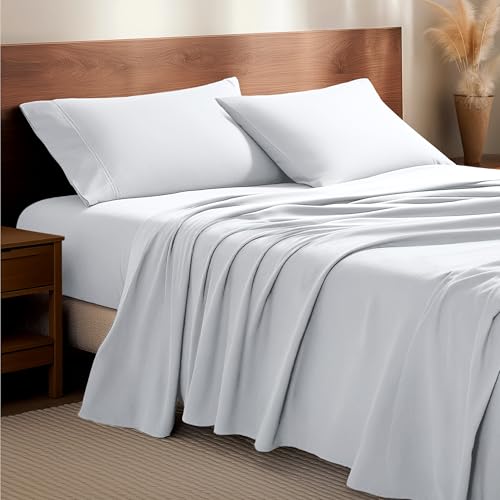


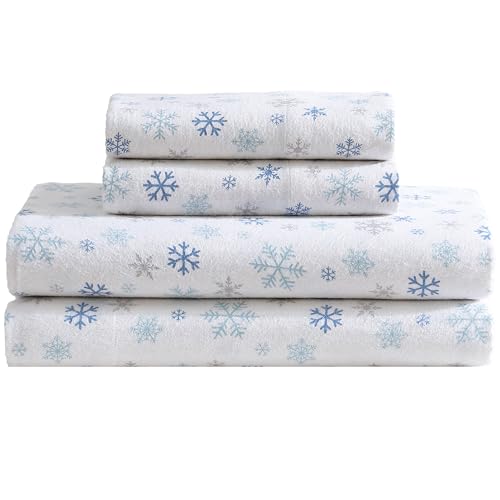


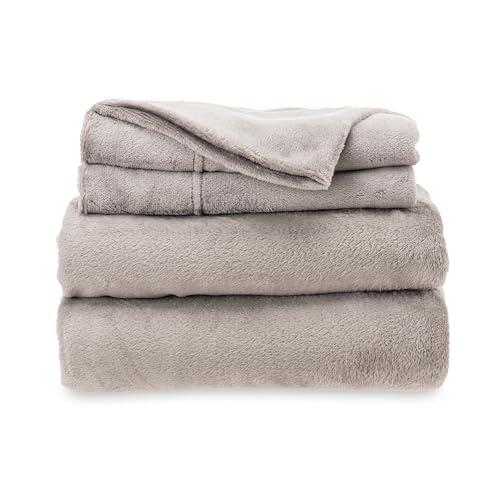


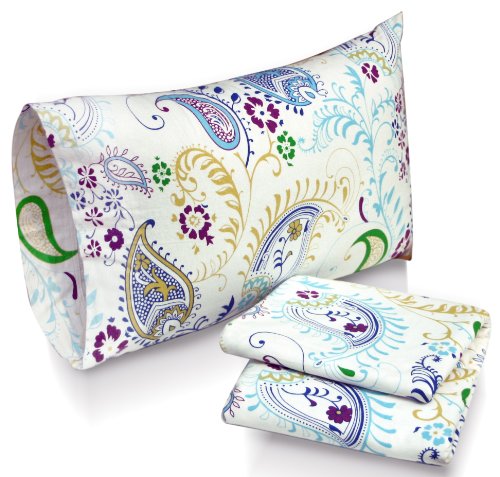


What’s in this listSheet sets whose stated material or weave is flannel. Weight in GSM shows where the maker gives it; thread count isn't a flannel measure. “—” means neither the maker nor the Amazon listing states it.
Flannel sheets are brushed for warmth
Here's the rule. Flannel is a woven fabric that's brushed after weaving. The brushing loosens fiber ends from the yarn and raises them into a soft, fuzzy surface called a nap. According to the Encyclopedia of Clothing and Fashion, that nap adds insulation and softness. Cotton flannel is made with loosely spun crosswise yarns so the nap comes out dense. The lighter cotton flannel used for bedding and sleepwear is also called flannelette.
So flannel sheets feel warm on contact. You don't wait for the bed to heat up. In a Minnesota January, that's the whole sales pitch.
Flannel sheets are one kind of bed sheets. The parent page covers sheets in general. This page is about what changes when the fabric is flannel.
What to read in the flannel sheet table
A value shows only when the maker states it. A blank means the maker didn't say, not "no".
Fiber content: cotton or polyester flannel
Flannel is a finish, not a fiber. The two you'll see:
- Cotton flannel. The classic. Breathes better than polyester and softens with washing.
- Polyester flannel. Often sold as microfiber flannel or brushed microfiber. Smooth, quick to dry, holds color.
- Blends. Cotton and polyester together, in whatever split the maker states.
Under the federal Textile Act, sheet labels have to list each fiber by its generic name and percentage by weight, largest first. So the label settles it, and the table shows that line word for word. If the material column says "flannel" and the fiber content says "100% polyester", you have polyester flannel. Both are fine. They just feel different.
Fabric weight in GSM or ounces
Weight is the number that tells flannels apart. Makers state it two ways:
- GSM. Grams per square meter: what one square meter of the fabric weighs.
- Ounces. The same idea in inch-pound units, ounces per square yard.
Fabric weight, or mass per unit area, is measured by a standard test method from ASTM, in either metric or inch-pound units. A higher number means more fabric in every square: usually a heavier, denser, warmer flannel. A lower number is lighter and drapes more.
Two cautions. Compare GSM with GSM and ounces with ounces; don't mix them by eye. And compare like with like: a polyester flannel and a cotton flannel at the same weight won't feel the same. The table shows weight only where the maker states it. We never guess it from the package weight.
Why thread count isn't the flannel number
Thread count is the number of lengthwise yarns plus crosswise yarns in a square inch of woven fabric. Under the ASTM definition, a plied yarn, two or more strands twisted together, counts as one yarn. Thread count is useful on smooth woven cotton, like percale and sateen, where you can see and feel the weave.
On flannel, the brushed nap covers the weave. Thread count tells you little about warmth or softness. On microfiber flannel, a thread count is the seller's number, and it reads "as stated by the seller" anywhere it appears. So it isn't a column on this page. If you want the full story, the sheet thread count guide has it.
Brushed, double-brushed and other listing words
Flannel listings use a few words of their own. Here's how I read them:
- Brushed. The surface has been raised into a nap. All flannel is brushed; the word confirms it.
- Double-brushed. Makers use it for fabric brushed on both sides, so the sheet is soft on the side you touch and the side facing the blanket.
- Plaid, buffalo check or solid. Pattern, not quality. Pick what you like looking at in January.
- Heavyweight or midweight. A maker's word. Without a GSM or ounce figure, there's no shared scale behind it.
- Portuguese, German or another country. Where the flannel was made, which the label has to state as country of origin under the Textile Act. It's a fact about origin, not a grade.
The table shows these only as the maker states them.
Pocket depth decides whether it stays on
The pocket depth is how deep a mattress the fitted sheet fits, in inches, as the maker states it. It's the column I'd read first after fiber.
Housekeeping rule: measure your mattress depth first, topper and mattress pad included. Then pick a pocket depth at least that deep. A pocket that's too shallow pops off at the corners in the middle of the night. Flannel has little stretch, so it won't forgive a shallow pocket the way a jersey sheet might. If your mattress is tall, see deep pocket sheets.
Set contents, cooling and OEKO-TEX
- Set contents. A full, queen or king set is usually a flat sheet, a fitted sheet and two pillowcases. A twin set usually has one pillowcase. The table shows the maker's own list.
- Cooling. Flannel is a warm fabric, so a stated cooling feature is rare. Hot sleepers should look at cooling sheets.
- OEKO-TEX. STANDARD 100 is a label for textiles tested for harmful substances. OEKO-TEX lists bed linen among products with direct skin contact and says you can check a label's certificate number in its Label Check. Shown only where the maker states it.
Flannel sheet sizes
Sheets follow the mattress. The Better Sleep Council's standard US mattress sizes:
- Twin: 38 x 75 inches
- Twin XL: 38 x 80 inches
- Full: 53 x 75 inches
- Queen: 60 x 80 inches
- King: 76 x 80 inches
- California king: 72 x 84 inches
Match the size name to your mattress, then check the pocket depth. Twin XL is 5 inches longer than a twin, so a twin fitted sheet won't stay on a twin XL dorm mattress. A California king is longer and narrower than a king; they aren't interchangeable either.
The flat sheet's finished size, when the maker gives it, tells you how much tuck you'll get. The bedding size guide checks any label against your mattress.
Size trap: the listing's "dimensions" can be the folded package. A queen sheet set is not the size of a shoebox. We show the maker's size name and stated measurements only.
Choose flannel sheets by your bedroom
- Cold bedroom. Flannel is made for it. A heavier weight, if the maker states one.
- Cold sleeper in a warm house. A lighter flannel, so you get the warm touch without the heavy feel.
- Two sleepers, two opinions. Flannel sheets under a lighter comforter often settles it. The warm one kicks the comforter off. The cold one keeps the flannel.
- A guest room in winter. Flannel sheets and a folded blanket at the foot. Guests don't have to ask.
- A drafty older house. Flannel plus a flannel duvet cover or a flannel blanket on top. I live in a 1924 duplex. I know.
My thermostat is set to 66°F. Dev wants 72°F. Flannel sheets are the reason I win most of January.
Pillowcases and the rest of the bed
A flannel sheet set usually includes pillowcases cut from the same fabric. The uniform US labeling rule uses a standard pillow of 20 x 26 inches with a standard pillowcase of 20 x 30 inches as its example, and pillowcase labels state the pillow size they fit. If you sleep on king pillows, check that the set's pillowcases are king size, not standard.
On top of flannel sheets, keep the layers simple. A comforter or a duvet in a flannel duvet cover is the warmest stack. A cotton cover on top keeps a warm bed from tipping into a hot one. Start with the sheets and add one layer at a time.
Flannel or another warm sheet
- Jersey sheets. Knit like a T-shirt, stretchy and soft. Warm-ish, but not brushed.
- Microfiber sheets. Brushed polyester. Some are sold as flannel; the fiber content tells you.
- Cotton sheets. Percale and sateen weaves. Cooler, crisper, smoother.
- Linen sheets. The summer swap. Breathes well and wrinkles proudly.
Rule of thumb from my linen closet: flannel from the first hard frost to the last snow, cotton the rest of the year. Your thermostat may vote differently.
Who should skip flannel sheets
- You sleep hot, any season. Flannel holds warmth. That's its job.
- Your bedroom stays above room temperature. A percale or linen sheet breathes more.
- You want a crisp, cool feel when you get in. Flannel is fuzzy. It doesn't do crisp.
- You like a crisp, pressed look. Flannel's nap gives a soft, matte surface. It won't look like a freshly pressed hotel bed, and it isn't trying to. (I pressed enough hotel sheets for one lifetime.)
- You want one set for all year and nothing to store. Cotton percale is the all-year sheet. Flannel is a season.
How to wash flannel sheets
Housekeeping rule: read the care tag before the price tag. Many flannel sheets are labeled machine wash and tumble dry low. Some tags ask you to wash them before the first use, or to wash dark colors separately the first few times. Your sheets' tag decides.
What I'd add:
- Wash with similar fabrics. Towels and flannel trade lint.
- Take them out of the dryer when they're dry. Don't leave them tumbling.
- Fold the fitted sheet properly. Or at least don't leave it in a ball in the archive. I won't say whose sheets those usually are. (Dev's.)
- Store the off-season set clean and dry. A cotton bag or a pillowcase, not sealed plastic.
More sheet pages
Parent page: bed sheets. Related: deep pocket sheets, cotton sheets, microfiber sheets, flannel duvet covers. For a short list, see best flannel sheets.
Tuck it in.
Questions people ask
What are flannel sheets made of?
Most are cotton, some are polyester, and some are blends. Flannel is a fabric finish, not a fiber: the woven fabric is brushed so loose fiber ends lift into a soft, fuzzy nap. US labels have to list the fiber content by generic name and percentage by weight, so the label tells you which flannel you have. The table shows it word for word.
What does GSM mean on flannel sheets?
GSM means grams per square meter, the weight of a square meter of the fabric. Some makers state flannel weight in ounces instead, meaning ounces per square yard. Both measure the same thing in different units. A higher number on the same fiber usually means a heavier, denser flannel. Compare GSM with GSM and ounces with ounces.
Do flannel sheets have a thread count?
Thread count, the number of yarns per square inch of woven fabric, is used for smooth woven cotton like percale and sateen. On flannel, the brushed nap covers the weave, so thread count tells you little. Weight is the useful number. If a flannel listing does give a thread count, treat it as the seller's number, not a comparison.
Are flannel sheets too hot for summer?
For many people, yes. Flannel's brushed surface holds warmth, which is the point in winter. If your bedroom stays warm, or you sleep hot, a crisp percale or a linen sheet breathes more. Plenty of people keep flannel for the cold months and swap in cotton by spring.
How do I wash flannel sheets?
Follow the care tag. Many flannel sheets are labeled machine wash cold or warm and tumble dry low. Wash them before the first use if the tag says so, wash with similar colors, and take them out of the dryer while they're just dry. Your sheets' tag is the instruction that counts.
Are cotton or polyester flannel sheets better?
It depends on what you want. Cotton flannel breathes more and softens with washing. Polyester flannel, often sold as microfiber flannel, dries quickly and holds color. Blends sit in between. Neither is better for everyone. Read the fiber content line, which shows the exact split, and the fabric weight if the maker gives one.
Sources
- Encyclopedia.com — Flannel (Encyclopedia of Clothing and Fashion, Gale) — accessed 2026-10-27
- ASTM D3776/D3776M — Standard Test Methods for Mass Per Unit Area (Weight) of Fabric — accessed 2026-10-27
- IDFL Laboratory and Institute — Thread Count ASTM Definitions — accessed 2026-10-27
- FTC — Threading Your Way Through the Labeling Requirements Under the Textile and Wool Acts — accessed 2026-10-27
- NIST Handbook 130 (2026), Uniform Packaging and Labeling Regulation §10.9.2 Textiles — accessed 2026-10-27
- Better Sleep Council — Mattress Sizes — accessed 2026-10-27
- OEKO-TEX — STANDARD 100 by OEKO-TEX — accessed 2026-10-27