Bedding & Throws · Type
Faux Fur Throws
A faux fur throw is a throw blanket with a long, soft pile made to look like animal fur, usually with a sherpa or fleece back. It's one fabric choice on our throw blankets page. Choose by pile and backing first, then the finished size, then care, because long pile is the fussiest fabric to wash. (Margo's archive keeps these on their own shelf. They don't share well.)

We earn a commission if you buy through our links, at no cost to you. Disclosure


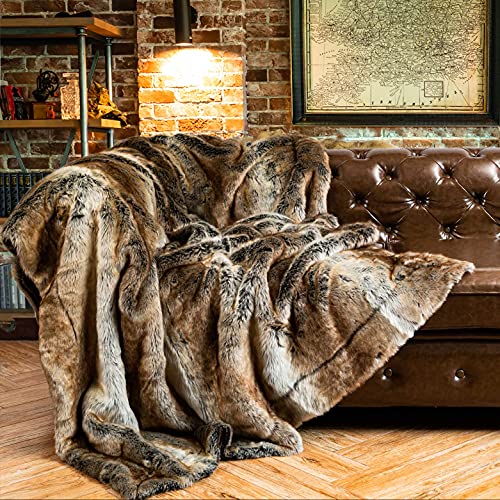


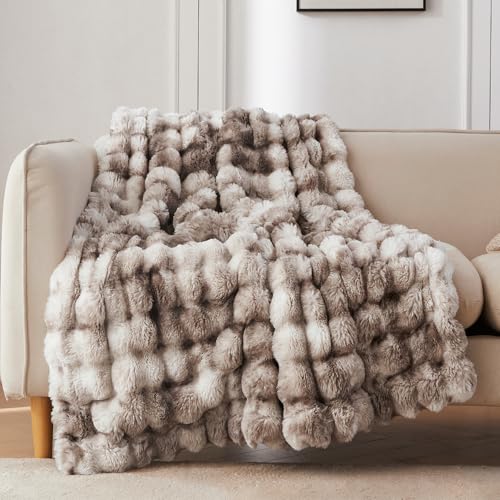


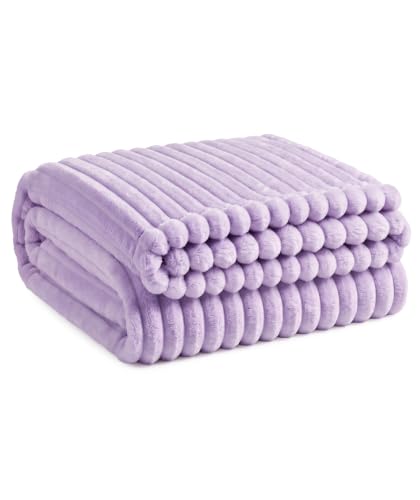


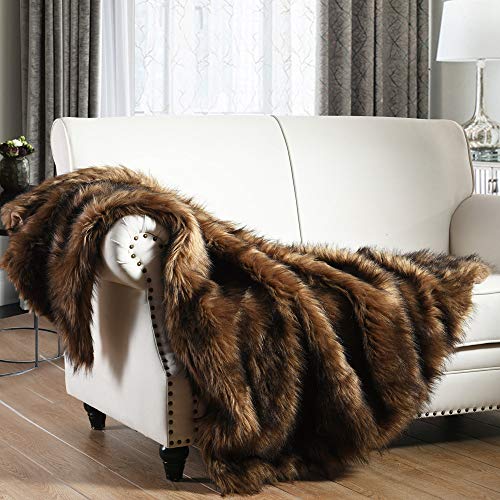


What’s in this listThrows whose stated face fabric is faux fur, many with a sherpa or fleece back. “—” means neither the maker nor the Amazon listing states it.
Faux fur is a textile, not fur
A faux fur throw is a throw blanket whose face fabric has a long pile, made to look and feel like animal fur. It isn't fur. It's a knitted or woven synthetic fabric with long fibers standing up from the base. Many faux fur throws are backed with a second fabric, often sherpa or fleece, so both sides feel soft.
That makes it the most decorative of the throw fabrics, and the heaviest of the soft ones. It's also the one that asks the most at laundry time. I like a faux fur throw on a bed for looks. I keep a fleece one on the couch for actual use. (Dev uses both. He doesn't notice which.)
The label is the only place that tells you what the throw is made of. A product name can say anything about the look. The fiber line has to say what's in it.
What to look at in the table
Every row comes from the maker's listing or the maker's own page. This page shows throws whose stated face fabric is faux fur. A blank cell means the maker doesn't state that detail.
Fiber content: read it, not the name
Under the Textile Act, blankets and throws must list their fibers by generic name and percentage by weight, from most to least. That's the line to read. The table copies it word for word.
Federal law also limits how animal names are used in advertising textile products. The Textile Act says advertising a textile product with the name of a fur-bearing animal counts as deceptive, unless the product really is fur, with an exception for products that contain that animal's hair or fiber. Either way, the fiber line on the label tells you what you're buying. Here's the rule: trust the fiber line over the title.
Sherpa or fleece back
The sherpa row shows when one side is sherpa, a nubby fleece that looks like sheep's wool. Some faux fur throws use a smooth fleece or a velvety short-pile back instead, and the listing says which. A sherpa back makes the throw thicker and heavier. A smooth back makes it drape more easily over a chair arm and slide less on leather.
Some faux fur throws are reversible, with a different look on each side. The listing will say so when it is.
GSM: compare faux fur with faux fur
GSM means grams per square meter, a fabric weight. Faux fur listings that state a GSM tend to give much bigger numbers than fleece listings, because long pile is dense and heavy. So GSM is only useful between two faux fur throws. A higher GSM on one faux fur throw means more fabric in each square meter than a lower GSM on another. The table shows GSM only when the listing states it.
Weight
The weight row shows the throw's weight as the maker states it. Faux fur throws are usually heavier than fleece throws of the same size. That's worth knowing before you buy one for someone who'll fold and carry it often. We don't use store "item weight" fields when they look like shipping weight.
Size and dimensions
Size is the maker's size name. Dimensions are the throw's width and length in inches. US labeling rules require throws to state the finished length and width on the package, so read the label, not the box. A folded faux fur throw packed tight looks small. It isn't.
Care
The care row shows the maker's care text, from machine wash cold and tumble dry low to spot clean or dry clean. This row matters more for faux fur than for any other throw. More on that below.
OEKO-TEX, only as stated
OEKO-TEX Standard 100 is a label for textiles tested for harmful substances. Each label has a number you can check online with OEKO-TEX's Label Check. We show it only when the maker states it for that throw.
Pile length and styles
Faux fur listings describe the pile in their own words, so here's how to read them.
- Long pile or shag. The longest fibers. The most dramatic look, the most to brush and the most to wash carefully.
- Short pile or plush. Closer to velvet. Easier care, less of a "fur" look.
- Textured or tipped. Pile that's curled, bubbled, striped or colored at the tips to look like a particular animal coat.
- Faux fur with sherpa back. The common pairing. Two textures, one throw.
If a listing shows a close-up photo with a ruler or a hand for scale, that's the honest way to see pile length. Product photos taken from across the room make every pile look the same.
Where a faux fur throw works
A faux fur throw is a decorating piece that also keeps you warm. Some rooms suit it better than others.
- The foot of a bed. The classic spot. It adds texture to a plain comforter.
- A reading chair. Draped over the back, folded edge out.
- A guest room. Guests notice it. They also don't wash it.
- Not a busy family couch. Pile catches crumbs, pet hair and the TV remote.
For a couch that gets used every evening, plain fleece or sherpa is easier to live with. For a bed where it mostly gets looked at, faux fur earns its shelf space.
Picking the best faux fur throw for your room
There's no single best faux fur throw. There's the one that fits your room, your laundry habits and the person under it. Here's the order I'd read a listing in:
- Care row. If you can't wash it the way the tag says, stop here.
- Backing. Sherpa for thickness, smooth fleece for drape.
- Finished size. A standard throw for a chair or couch arm, a larger one for the foot of a queen or king bed.
- Fiber line. What it's made of, in percentages.
- GSM and weight, when stated. Only compare faux fur with faux fur.
- Color and pile style. Last, because it's the part you'll see every day but the part that tells you least.
On color: light faux fur shows every coffee drip and every dark pet hair. Dark faux fur shows lint and light pet hair. Mid-tones, like gray, taupe or a soft brown, forgive the most. Think about who sits there before you pick.
On light: long pile looks different under a warm lamp than in a daytime product photo. Tipped and two-tone piles change the most. If the listing has photos from more than one angle, look at all of them.
Faux fur as a gift
A faux fur throw looks generous in a box, which is half of why people give them. Before you wrap one, check two things: that it's machine washable, and that it's not so heavy the person will struggle to fold or carry it. A gift that needs dry cleaning hands someone a chore. For more gift ideas, see cozy gifts.
How to care for a faux fur throw
First, read the care tag. The FTC's Care Labeling Rule covers clothing and fabric sold for making clothes, and it doesn't list blankets, so a throw's care instructions are the maker's own. Read them before you buy, not after the first spill.
Here's how I read a faux fur care tag:
- Temperature. Follow the stated water temperature and no warmer. Long pile can mat or flatten when it's washed or dried hotter than the maker allows.
- Cycle. Gentle, if the tag says gentle. A heavy wet throw spinning hard is rough on pile.
- Drying. Tumble dry low or air dry, as stated. Don't guess a hotter setting to finish faster.
- Washer size. A big faux fur throw is heavy when wet. If it barely fits, it won't rinse well.
- Fluffing. Shake it out after drying, or follow any brushing advice the maker gives.
Housekeeping rule: wash faux fur alone or with other pile fabrics, never with towels. Towel lint and long pile belong to different families, and they'd like to stay that way. (The hotel laundry taught me this. Once was enough.)
When the care row says spot clean or dry clean only, believe it, and decide whether you want that chore before you buy. That's my one opinion on this page, and the care row is the reason you can check: a faux fur throw you can't wash at home is a throw you'll stop using.
Storing faux fur
Faux fur takes up room. Fold it loosely and keep it on a shelf with space above it, not at the bottom of a stack of heavier blankets where the pile gets crushed flat. A breathable cotton bag keeps dust off. Plastic bins hold moisture if the throw goes in even a little damp, so make sure it's fully dry first.
In the archive, the faux fur shelf is labeled, like everything else. Dev once put a faux fur throw on the sheet shelf. The label maker came out. That was the end of it.
Who should skip a faux fur throw
- Households that wash throws weekly. Fleece or cotton will hold up to that schedule with less fuss.
- Homes with heavy-shedding pets on the couch. Pet hair settles deep in long pile.
- Anyone who wants a light throw to carry around. Faux fur is heavy and thick.
- Warm rooms and warm sleepers. Pile plus a sherpa back is a lot of fabric. Look at cotton blankets instead.
Related pages and brands
The brands in the table link to their own pages, and the brand catalog lists every bedding brand we cover. Each brand is treated the same, and the table's order follows the data.
- Throw blankets, the parent page, with every throw fabric
- Sherpa blankets and fleece blankets, the softer, simpler fabrics
- Best throw blankets, where faux fur appears alongside other fabrics
- Bedding size guide, to check a finished size against your bed
Tuck it in.
Brands in this list
Related
Questions people ask
What is a faux fur blanket made of?
The label tells you. Faux fur is a fabric, and US labeling rules require blankets and throws to list fiber content by generic fiber name and percentage by weight. The table copies the fiber line as the maker states it, so read that row instead of the product name.
Can you wash a faux fur throw?
Many faux fur throws are machine washable, but follow the care tag exactly. Long pile can mat or flatten if it's washed or dried hotter than the maker allows. The table shows care only as stated. When a listing says spot clean or dry clean, that's how the throw will need to be cleaned for its whole life.
Is a faux fur throw warm?
A faux fur throw has a thick pile on one side and usually sherpa or fleece on the other, so it's a heavier, thicker throw than plain fleece. No label measures warmth, though. GSM, when a listing states it, shows how dense the fabric is; compare it only with other faux fur listings.
What size faux fur throw should I get?
Measure what you want to cover. Throws come in sizes such as 50 x 60 inches and larger oversized sizes, and the finished size is on the label. Faux fur is heavy and thick, so a large one is bulky to fold and wash. For a couch arm, a standard throw size is easier to live with.
What's the difference between faux fur and sherpa?
Faux fur has a long, smooth pile made to look like animal fur. Sherpa is a fleece with a short, curly, nubby texture that looks like sheep's wool. Many faux fur throws use sherpa as the back, so you get one of each. The sherpa row in the table shows when one side is sherpa.
Sources
- Federal Trade Commission — Threading Your Way Through the Labeling Requirements Under the Textile and Wool Acts — accessed 2026-10-27
- 15 U.S. Code § 70b (Textile Fiber Products Identification Act) — Legal Information Institute — accessed 2026-10-27
- NIST Handbook 130 (2026), Uniform Packaging and Labeling Regulation §10.9.2 Textiles — accessed 2026-10-27
- Federal Trade Commission — Clothes Captioning: Complying with the Care Labeling Rule — accessed 2026-10-27
- OEKO-TEX — OEKO-TEX Standard 100 — accessed 2026-10-27